Photo by Trang Doan on Pexels.com
In order to diagnose iron-deficiency anemia and make sure this is the issue, it is best to see a doctor since this is something that an individual cannot self-diagnose or treat. Simply consuming iron supplements will not treat the issue and could lead to excess iron accumulation which will damage the liver and cause other complications (Mayo Clinic, 2019). Their are a few key players that could easily be diagnosed or put at risk of having iron-deficiency anemia and these are:
- Women: Women may lose blood during their menstruation cycle and in general, women are at greater risk of iron deficiency anemia.
- Infants and Children: Those with low weight, low birth weight or are born prematurely may suffer for iron deficiency anemia. If some babies do not get enough breast milk or formula, this may also be a cause. “Children need extra iron during growth spurts. If your child isn’t eating a healthy, varied diet, he or she may be at risk of anemia.” (Mayo Clinic, 2019)
- Vegetarians: Though their are some resources including leafy green vegetables like spinach. Vegetarians may not get the amount of iron-rich foods they need which may come from red meats, pork, etc.
- Frequent Blood Donors: Blood lost tends to be another cause of iron deficiency anemia. Since blood donors are constantly giving blood, this may deplete their iron stores.
Even with these players at risk, the best way to prevent iron-deficiency anemia is to have a well balanced diet with iron rich foods and, if the cause is blood loss (ex: menstrual periods), talk to a provider to help diagnose and treat the issue. Some food with iron rich resources include:
- Red meat, pork and poultry
- Seafood
- Beans
- Dark green leafy vegetables, such as spinach
- Dried fruit, such as raisins and apricots
- Iron-fortified cereals, breads and pastas
- Peas (Mayo Clinic. 2019)
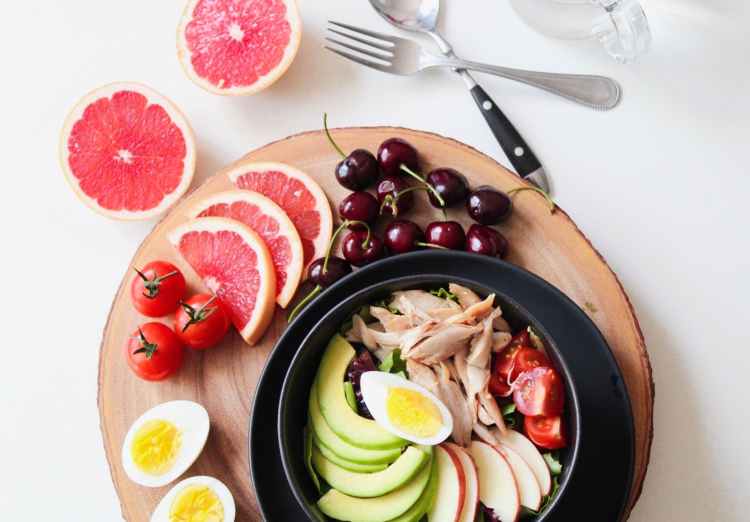
In order to make sure iron is absorbed, it is recommended to choose foods containing vitamin C which in enhances the absorption of iron. Drinking citrus juice is a great way to get vitamin C, somd foods that contain vitamin C include
- Broccoli
- Grapefruit
- Kiwi
- Leafy greens
- Melons
- Oranges
- Peppers
- Strawberries
- Tangerines
- Tomatoes
In infants, it is important to make sure the baby is fed properly either through breast milk or even iron-fortified formula for the first year. After the age of six months, it recommended to start “feeding a baby iron-fortified cereals or pureed meats at least twice a day to boost iron intake” (Mayo Clinic, 2019). To help ensure individuals receive enough iron in general, it is important to have a well balanced diet containing a wide variety of vitamins and minerals.
 Children's Health